The cursor blinks. The page stays white. Before you blame your discipline, consider the element you have been starving.
It is not laziness. You have tried the lists, the apps, the pomodoro timers. The work sits on the desk like a stone. Something that used to rise—ideas, momentum, the plain pleasure of making—has gone quiet.
Here is the uncomfortable truth of the modern workday: it is built on fire and metal. Fire is urgency, deadlines, and adrenaline. Metal is precision, deliverables, and edits. Both are necessary. Neither can grow anything.
A blocked creative is not a broken person. It is a tree in drought—same root system, waiting for rain and light.
The Element We Forgot
The five elements are, first of all, a calendar of energies. Wood is spring: growth, initiation, flexibility, the upward impulse. Nothing blooms without it—not talent, ambition, or discipline.
A creative block is not a verdict on your worth. It is a pattern—seasonal, cyclical, and temporary. The real question is not why can’t I produce? It is what season am I in, and what does this season require?
Think of the last time you felt truly creative. Chances are, you were not forcing it. You were playing, exploring, allowing. Wood energy thrives in that space of permission. It withers under pressure, judgment, and the demand for immediate results.
Why Modern Work Drains Wood
Consider a typical workday: back-to-back meetings (Fire), detailed emails (Metal), urgent deadlines (Fire), performance metrics (Metal). Where in this cycle is there room for Wood—for dreaming, sketching, wandering, beginning?
The problem is not that you lack discipline. The problem is that your environment has been optimized for everything except growth. You have been running a harvest festival in the middle of winter, wondering why nothing sprouts.
Research on creative cognition supports this: the brain's default mode network—responsible for imagination and novel connections—activates during rest and low-demand activities, not during focused execution. Wood needs space to breathe.
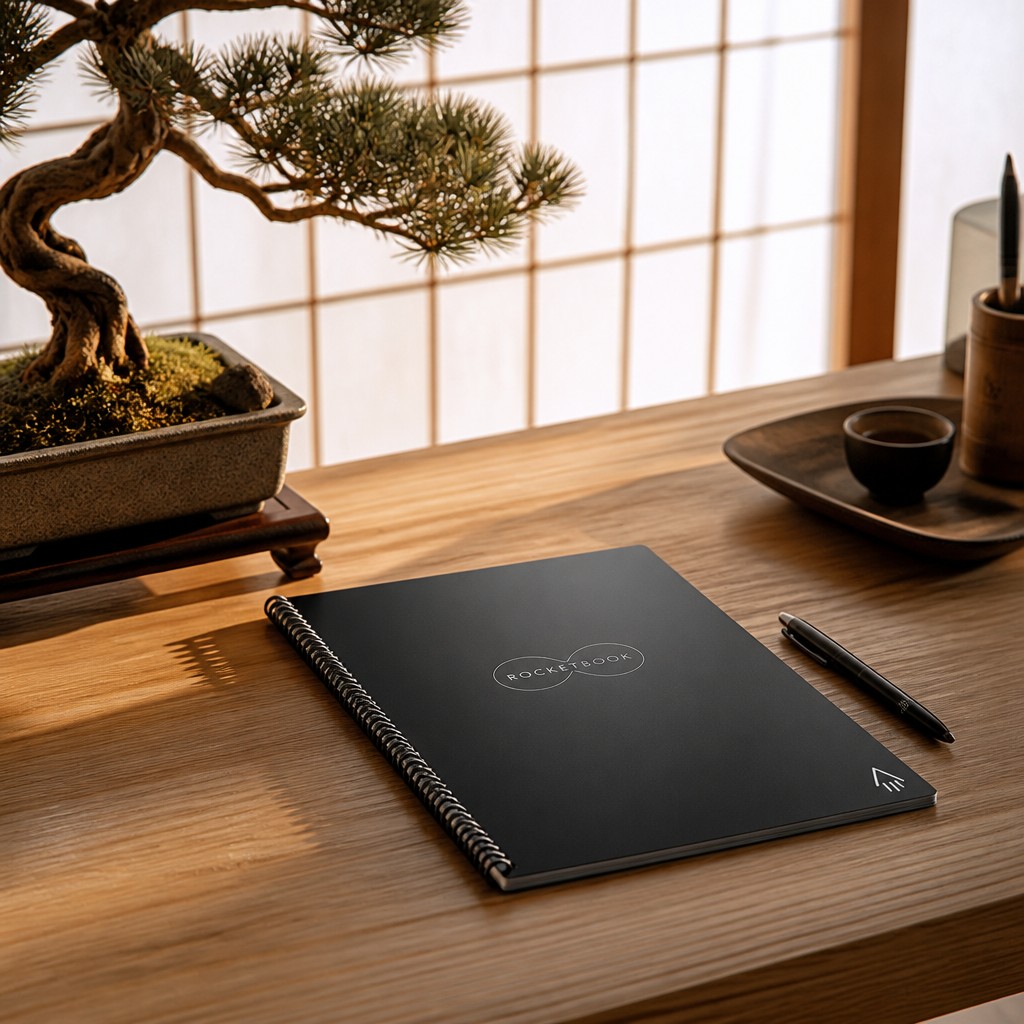
The Tactile Anchor: Rocketbook
Paper and pen form the oldest thinking loop we have. But permanence can feel terrifying: every mark feels final, every draft like a commitment to an idea we do not yet trust.
Rocketbook writes like paper and wipes clean like the sea erasing sand. Draft, photograph, wipe, begin again. The erasing is not a flaw; it trains the Wood muscle of beginning without the terror of permanence.
This matters because creative block often stems from perfectionism—the belief that the first attempt must be good. Rocketbook gives you permission to be provisional. It says: this draft does not count, so you are free to think.
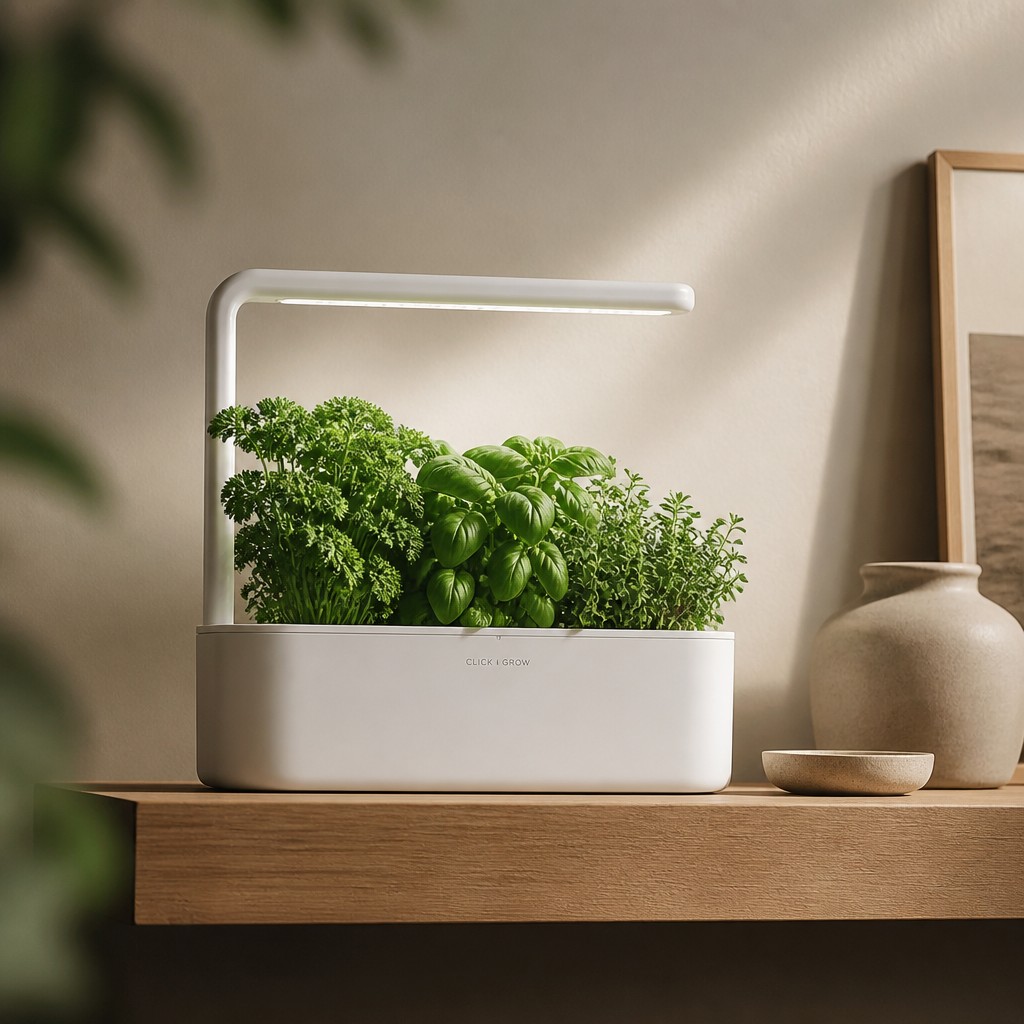
The Environmental Adjuster: The Smart Garden
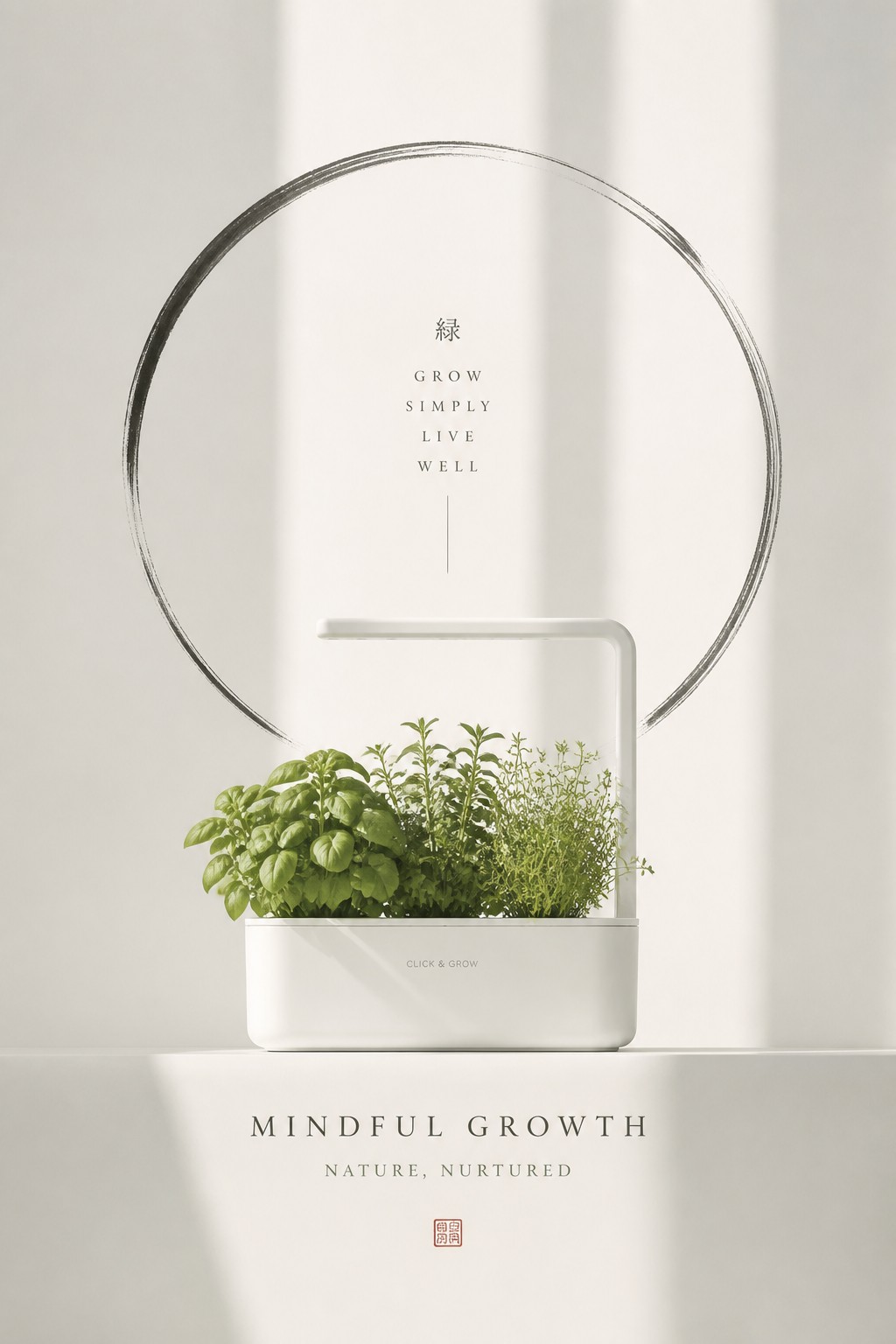
You cannot think growth in a room with nothing growing in it. A smart garden places a small living system on your desk—herbs and greens, roots you can watch thicken over the weeks.
Watering it takes two minutes and re-embeds you in the rhythm of care: small, daily, patient, non-negotiable. The upward creep of a seedling is a silent syllabus: light, water, time.
There is a reason ancient scholars kept plants in their studies. Living things remind us that growth is not linear, not always visible, and cannot be rushed. The seedling does not grow faster because you watch it more carefully.
Three Practices for Restoring Wood
1. The Morning Page: Before checking your phone, write three pages by hand. Not for an audience. Not for publication. Just to move the mental fluid through the system. The Rocketbook makes this feel safe because nothing is permanent.
2. The Daily Seed: Water your garden. That is it. Two minutes of caring for something that grows on its own schedule. This is not productivity—it is participation in a rhythm older than your to-do list.
3. The Weekly Wander: Once a week, take a walk without a destination or a podcast. Let your mind wander. Wood energy loves open space, open time, open possibility.
The Prescription
Twenty minutes, every evening. Three free pages with pen and Rocketbook—no audience, no edit, no metric. Then water the garden. Practice beginning until it becomes a habit instead of an event.
Creativity is not a spark you wait for. It is a plant you feed. Wood is the element of beginning—and beginning is a practice, not a mood.
When to Seek Deeper Understanding
If creative blocks are a recurring pattern in your life, your BaZi chart can reveal which elements are naturally strong and which need support. The Personal Blueprint analyzes your complete elemental composition and offers personalized practices based on your unique profile.
Our free Five Elements quiz is also a quick starting point—it reveals your dominant element in under two minutes.