You are not lazy. You are a hearth that has not been tended—and the first thing to restore is light.
You are tired in a way sleep does not touch. The problem is not simply hours; the fire was never fed, only forced.
Stimulation is not vitality. It is static—light that asks nothing of us and gives nothing back.
Fire, Misdirected
Fire is summer: warmth, joy, connection, and the glow of being fully engaged with life. Modern life often pours that fuel into blue light, infinite feeds, and adrenaline instead of warmth.
Think about your typical evening. You have been "productive" all day—emails, meetings, decisions. Now you scroll. The phone glows blue in the dark. You are not resting; you are stimulating. And stimulation without warmth is just noise.
This is the paradox of modern burnout: we are simultaneously overstimulated and undernourished. The fire is burning, but it is the wrong kind of fire—a fluorescent flicker instead of a hearth's glow.
Understanding the Fire-Water Balance
In the Five Elements system, Fire and Water exist in a delicate balance. Fire rises, expands, expresses. Water descends, consolidates, restores. When Fire is overactive—too much stimulation, too much doing—Water becomes depleted.
Water is the element of rest, depth, and renewal. When it is low, Fire burns unchecked: anxiety, insomnia, irritability, the feeling of being "tired but wired." The solution is not more Fire (more productivity hacks, more caffeine, more stimulation). The solution is more Water.
This is why a vacation alone often does not fix burnout. A vacation removes you from the source of overwork, but it does not restore the Water element. True recovery requires deliberate stillness, darkness, and warmth.
The Tactile Anchor: Sunset Lamp
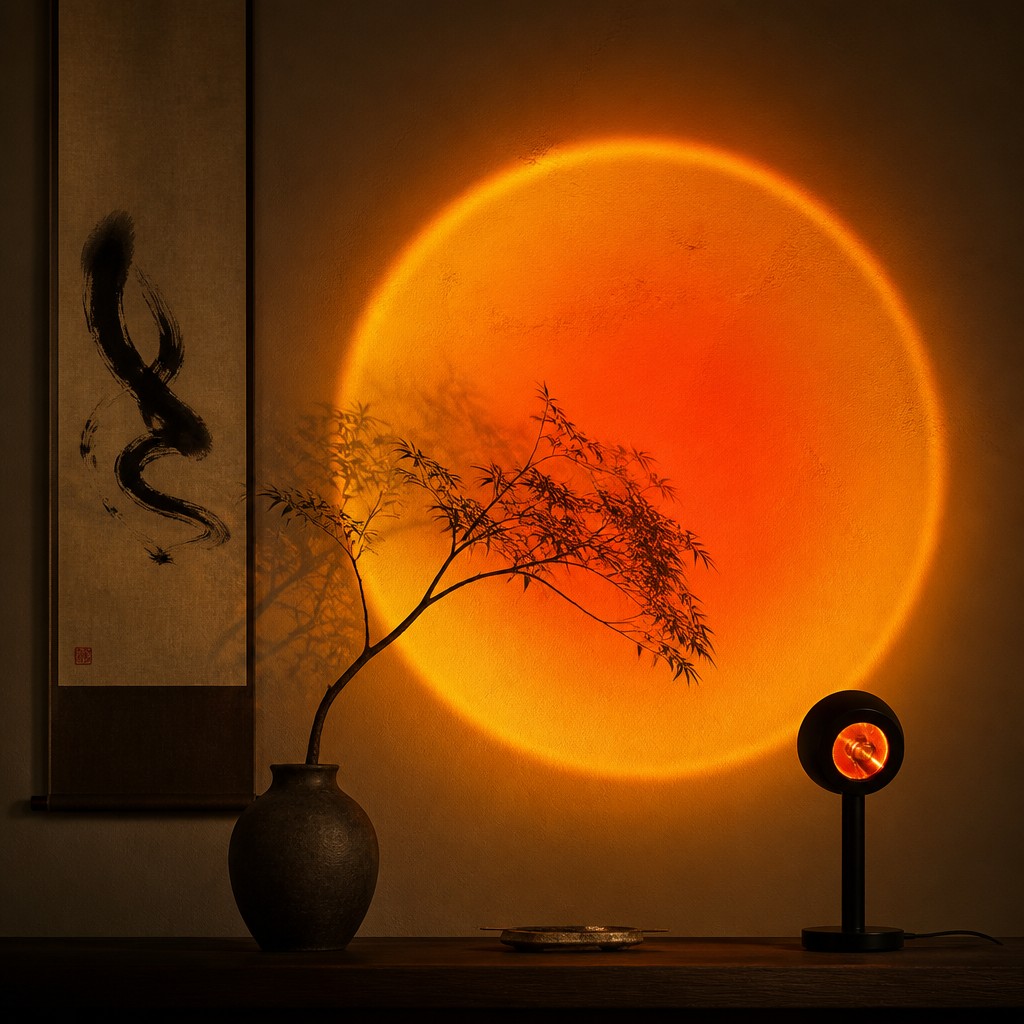
Rest needs a ritual, and ritual needs an object. A sunset lamp makes dusk visible: daylight dissolving into amber, rose, and evening. Turn it on deliberately and let the room become a cue that the day is ending.
The color temperature matters. Blue light (from screens, overhead LEDs) signals "daytime" to your brain, suppressing melatonin. Warm amber light signals "evening," allowing the body's natural wind-down to begin. The sunset lamp is not decoration—it is a signal.
The Environmental Adjuster: Govee Lights
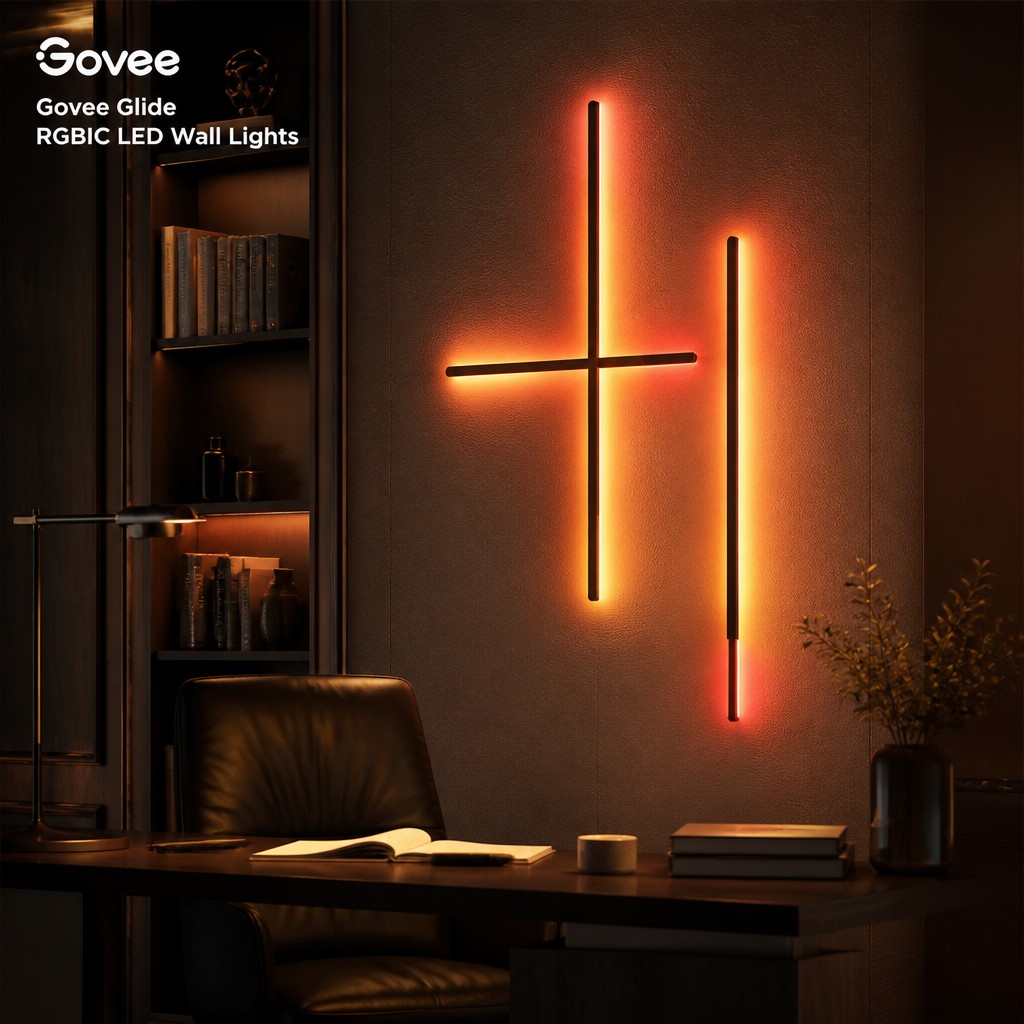
Where the sunset lamp marks the hour, programmable Govee lights change the room itself. Warm at eight, dim by nine, amber by ten: the environment becomes a quiet co-conspirator in rest.
This is environmental design as self-care. You are not relying on willpower to "put the phone down." You are designing a space that makes the right choice the easy choice. The room itself becomes a gentle authority, guiding you toward rest.
Three Practices for Restoring Fire
1. The Amber Hour: One hour before bed, switch to warm lighting only. No screens, no overhead lights. Let the sunset lamp or warm LEDs signal to your nervous system that the day is complete.
2. The Hearth Moment: Once a day, sit with something warm—tea, a blanket, a candle flame—and do nothing else. No phone, no book, no podcast. Just warmth and presence. This is Fire in its purest form: not doing, just being.
3. The Connection Check: Fire is the element of connection. Once a day, have a real conversation—not a text exchange, not a meeting, but a genuine human moment. Fire needs other fires to dance with.
The Prescription
One hour before bed, warm the lights, dock the phone elsewhere, and spend ten minutes in amber stillness. Burnout is not a character flaw; it is a signal that fire needs warmth, slowness, darkness, and light that knows when to dim.
When Burnout Persists
If you have tried environmental changes and still feel chronically depleted, your BaZi chart may reveal an underlying elemental imbalance. Some people are born with naturally low Fire or Water, making them more susceptible to burnout. The Personal Blueprint identifies these patterns and offers personalized restoration practices.