You cannot think your way into clarity. You have to cut your way into it—and the blade, in the five elements, is metal.
The day is a scatter of tabs, apps, unfinished replies, and low-pending noise. You keep adding systems, but order is not accumulation. Order is editing.
Clarity is not getting it right once. Clarity is the courage to keep correcting.
Metal, the Element of Form
Metal is autumn: harvest, boundary, blade. It separates what is essential from what is not. The tree does not keep every leaf it grew; its clarity is the proof of release.
In the Five Elements cycle, Metal follows Earth. After the harvest comes the refining. After the gathering comes the editing. Metal is the element that says: this, not that. It is the element of discernment, of quality over quantity, of the courage to let go.
Modern life is hostile to Metal. We are told to accumulate—more skills, more connections, more content. The idea that less could be more feels counterintuitive. But Metal knows: a blade is sharp because it has removed everything that is not the edge.
The Psychology of Editing
Why is subtraction so hard? Research on loss aversion shows that humans feel the pain of losing something twice as strongly as the pleasure of gaining something equivalent. This means that every act of editing—removing a commitment, deleting a project, saying no to an opportunity—feels like a loss.
Metal energy is the capacity to override this bias. It is the ability to see that keeping everything means having nothing of quality. The editor does not mourn the deleted words; she celebrates the clarity they made possible.
The Tactile Anchor: Metal Wallet
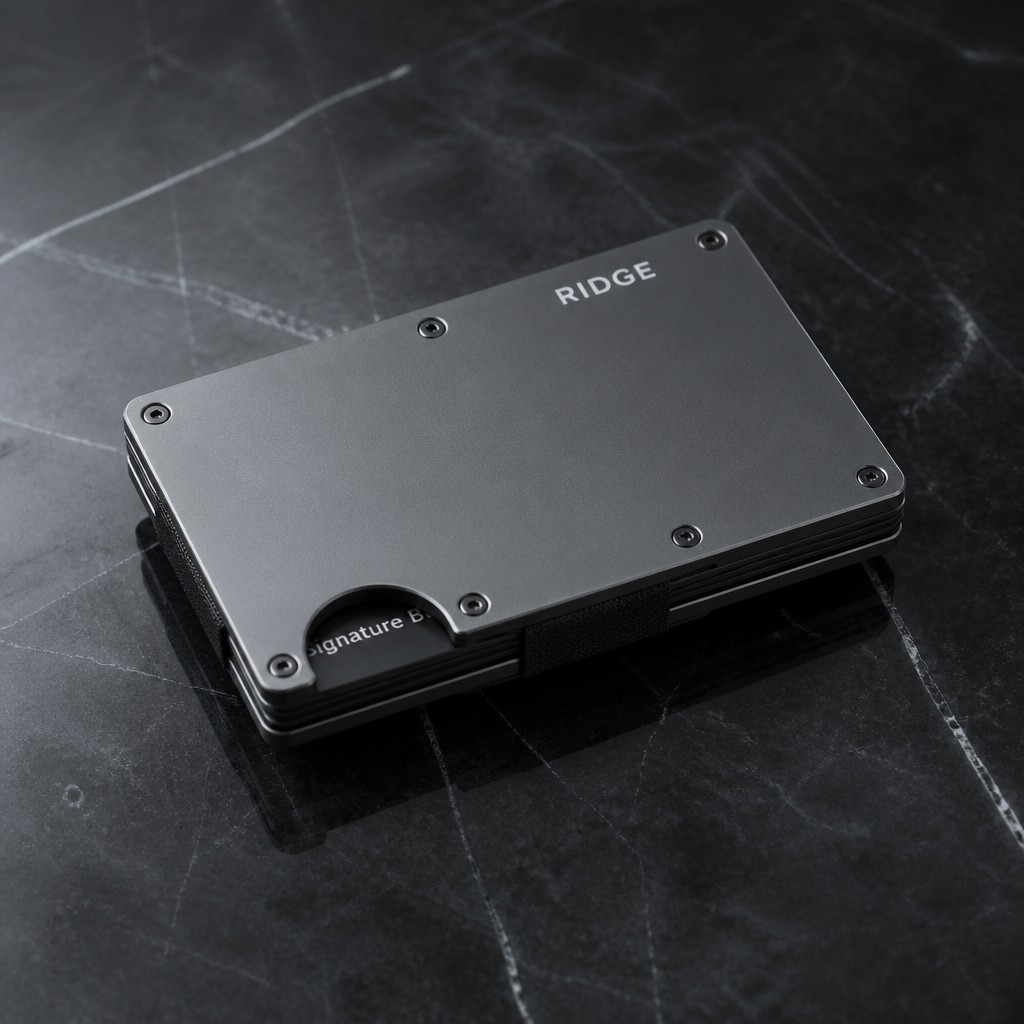
A compact metal wallet makes subtraction physical. It holds cards and essentials and refuses the rest. Each opening becomes a small act of editing: this, and not everything else.
The wallet is a boundary object. It says: these few things are what I carry; everything else stays behind. In a world of overflowing pockets and digital clutter, this physical constraint is liberating.
The Environmental Adjuster: rOtring Pencil
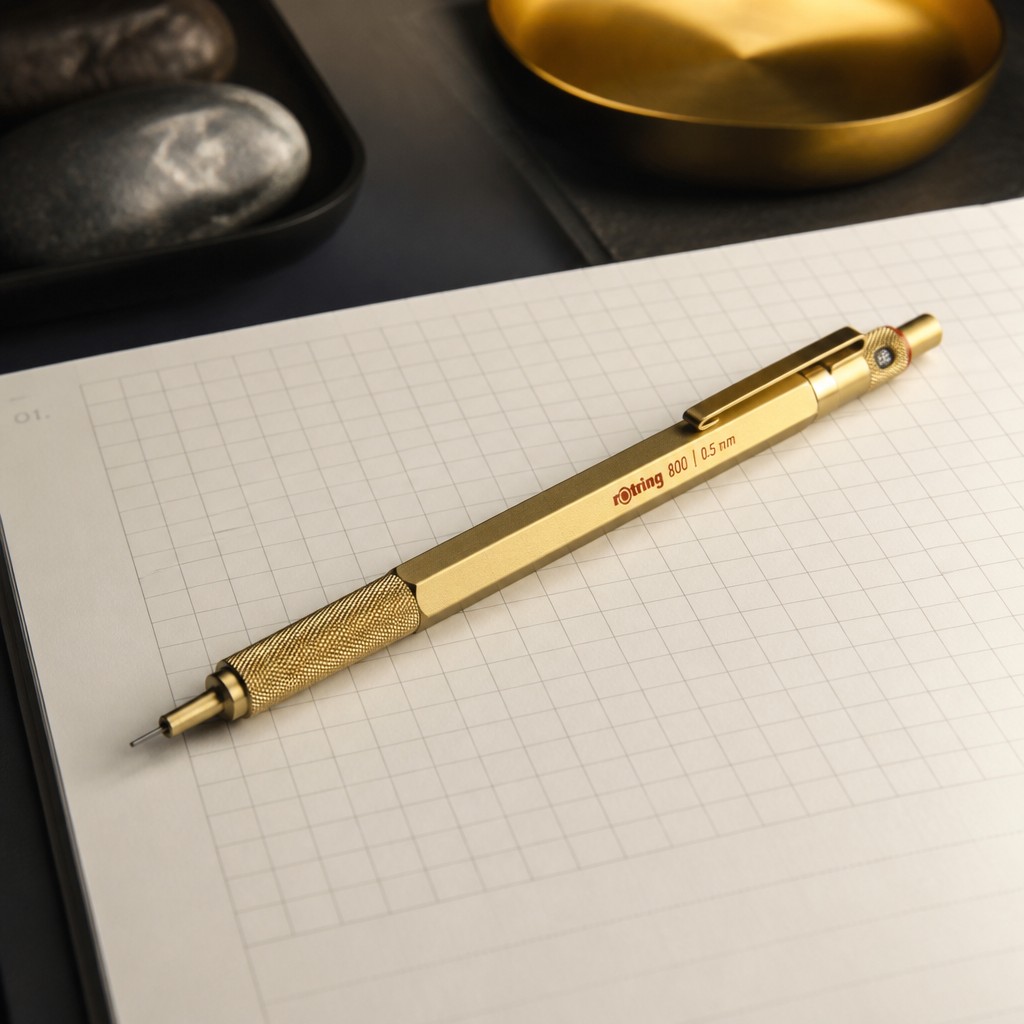
Where the wallet edits the pocket, a precision pencil edits the mind. Its weighted body rewards deliberate lines, and its eraser quietly argues that clarity can be revised into existence.
There is a reason architects and designers favor the rOtring: it demands intention. Each line is a decision. The eraser says decisions can be revised. This is Metal energy in physical form—precision with permission to iterate.
Three Practices for Restoring Metal
1. The Evening Edit: Ten minutes before bed, clear your physical workspace to three objects. Not because minimalism is virtuous, but because a clear surface signals a clear mind.
2. The Weekly No: Once a week, decline one invitation, request, or opportunity that does not align with your priorities. Metal is the element of "no"—the boundary that protects what matters.
3. The Quality Check: Once a day, ask: of everything I did today, what was actually essential? This is not productivity optimization. It is Metal's gift of discernment.
The Prescription
Ten minutes every evening: clear the desk to three objects, empty the wallet to the essential, and draw one line for tomorrow. Metal does not add to life; it gives life an edge.
When Clarity Remains Elusive
If you have tried organizing and editing but still feel scattered, your BaZi chart may reveal a Metal imbalance. Some people are born with naturally low Metal energy, making boundaries and discernment more challenging. The Personal Blueprint identifies these patterns and offers personalized practices for developing Metal's gifts of clarity and precision.